

Does Benzoyl Peroxide Help Acne Scars? A Deep Dive into This Acne Treatment
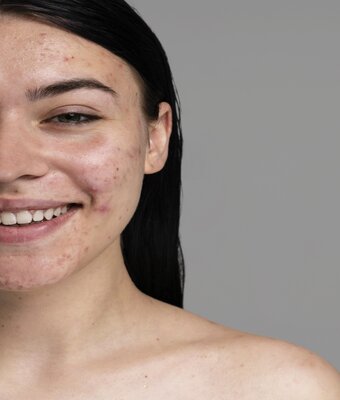
Acne doesn’t really care how old you are or what skin type you have; it’s a universal frustration for millions of us. While store shelves are packed with endless serums and creams, benzoyl peroxide (BP) is usually the one product people keep coming back to. It’s famous for shutting down breakouts, but there is a common question that comes up once the pimple is gone: does benzoyl peroxide help acne scars?
Below, we’re going to skip the fluff and look at exactly how this ingredient works, why it’s a staple in bathroom cabinets, and how to use it without ruining your towels (or your skin barrier).
What Is Benzoyl Peroxide, Anyway?
Think of benzoyl peroxide as a bactericide. It is a topical ingredient designed specifically to crash the party for Propionibacterium acnes, the bacteria responsible for those painful bumps.
It works on three fronts: killing bacteria, calming inflammation, and clearing out the gunk clogging your pores. You’ll find it in everything from drugstore face washes to prescription creams, usually in strengths ranging from a mild 2.5% up to a potent 10%.
The Big Question: Does Benzoyl Peroxide Help Acne Scars?
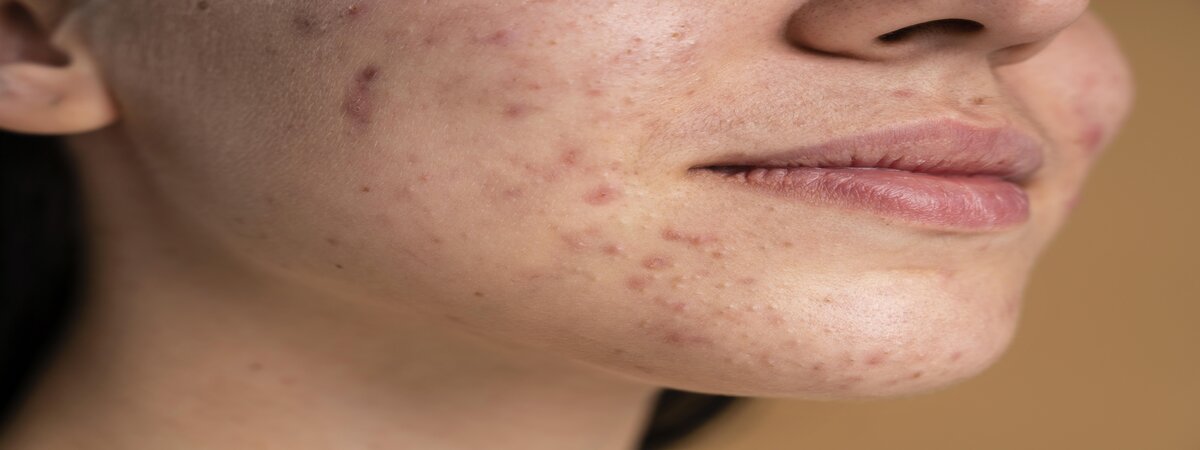
This is where expectations need to be managed. Benzoyl peroxide is an expert at treating active acne. By preventing new breakouts and reducing the severity of current ones, it plays a massive role in preventing future scarring. The less inflamed your skin is today, the less likely it is to scar tomorrow.
However, if you are looking to treat old, pitted textural scars or deep ice-pick scars, BP isn’t an exfoliant or collagen builder in the same way as acids or lasers are. It treats the cause, not the aftermath.
How It Actually Works
Benzoyl peroxide is essentially an oxidizing agent. The bacteria that cause acne hate oxygen, they thrive in the airless environment of a clogged pore.
- Oxygen Bomb: BP penetrates the pore and floods it with oxygen. The bacteria simply can’t survive in that environment.
- The Clean Out: It acts as a mild peeling agent, helping to shed dead skin cells and excess oil so pores don’t get blocked in the first place.
- Calming Down: By killing the bacteria, the redness and swelling (inflammation) naturally start to subside, helping the blemish heal faster.
Why People Stick With It (The Benefits)
There is a reason this ingredient has been around for decades. For mild to moderate acne, it just works.
- Speed: Unlike some treatments that take months to kick in, BP often shows results in a matter of days or weeks.
- Prevention: It doesn’t just zap the spot you have; it keeps the next one from forming.
- Cost-Effective: You don’t need a luxury budget. It’s affordable and easy to find.
- Team Player: For stubborn cases, it pairs well with other treatments (like retinoids), provided you introduce them carefully.
The “Bleach Factor” and Other Side Effects
As effective as it is, benzoyl peroxide can be a bit harsh if you aren’t careful.
- Dryness: It’s designed to dry out oil, but it can dry you out in the process. Peeling and flaking are common when you first start.
- Irritation: If you jump straight to 10%, expect some redness or stinging.
- The Fabric Warning: This is the big one nobody tells you about until it’s too late. BP will bleach your towels, pillowcases, and favorite shirts. If you use it, stick to white linens or old t-shirts you don’t mind ruining.
To keep your face happy, start with a lower concentration (2.5% is often just as effective as 10% but far less irritating) and use a solid moisturizer.
How to Build It Into Your Routine
You don’t need a complicated 10-step routine. Here is the safest way to introduce it:
- Ease Into It: Don’t slather it on twice a day immediately. Start once a day, or even every other day, to see how your skin reacts.
- Clean Slate: Apply it to clean, dry skin. Using a gentle, non-stripping cleanser beforehand is key.
- Sun Protection is Non-Negotiable: BP can make you more sensitive to UV rays. If you are using it, you need to be wearing sunscreen during the day.
- Mixing Actives: If you are already using salicylic acid or retinol, check with a pro. Using them all at once is a recipe for a damaged skin barrier.
When DIY Isn’t Enough
Benzoyl peroxide is great, but it isn’t a magic wand for severe cystic acne. If you’ve been consistent for a few months and things aren’t getting better, or are getting worse, it’s time to call in the experts.
A professional can look at your specific skin profile. Dermatologists in London, for instance, can offer personalized plans that might include prescription-strength retinoids, oral medications, or in-clinic therapies that go far beyond what you can buy at the drugstore.
Conclusion
Benzoyl peroxide remains a powerhouse for a reason. It kills bacteria, unclogs pores, and brings down inflammation. While it might not erase old scars, it is one of the best tools you have for preventing new ones. Just remember to respect the potency: start slow, moisturize, and watch out for your towels.
If you are unsure where to start, getting professional advice is always the smartest next step to clear skin.
FAQ
Can I use benzoyl peroxide if I have sensitive skin?
Yes, but proceed with caution. Stick to a lower concentration (2.5%) and use it just once a day or as a “contact therapy” wash (where you leave it on for a minute and rinse it off). Always follow up with a hydrating moisturizer.
How long until I see a difference?
Everyone is different, but you shouldn’t expect an overnight miracle. Most people notice a real change within 4 to 6 weeks of sticking to the routine.
Can I mix it with other acne products?
You can, but be careful. Combining it with retinoids or salicylic acid can be very drying. It is often best to use BP in the morning and your other activities at night, or alternate days.
Is it safe to use long-term?
Generally, yes. It doesn’t stop working over time (bacteria don’t develop resistance to it). However, watch out for chronic dryness and adjust your moisturizer as needed.
Will it get worse before it gets better? It might. This is called “purging.” As the product clears out the pores, underlying congestion might come to the surface. It’s annoying, but usually temporary.