


Understanding Impetigo: Causes, Symptoms, and Treatment Options
Impetigo is one of those skin infections that tends to cause immediate panic, especially for parents. It’s highly contagious, looks uncomfortable, and seems to pop up out of nowhere. While it is technically a bacterial infection, the good news is that it’s rarely serious and usually clears up without trouble if you catch it early.
Here is a breakdown of what impetigo actually is, how to spot it, and the best ways to get rid of it
What Exactly Is Impetigo?
At its core, impetigo is a skin infection caused by common bacteria, specifically Staphylococcus aureus (staph) or Streptococcus pyogenes (strep).
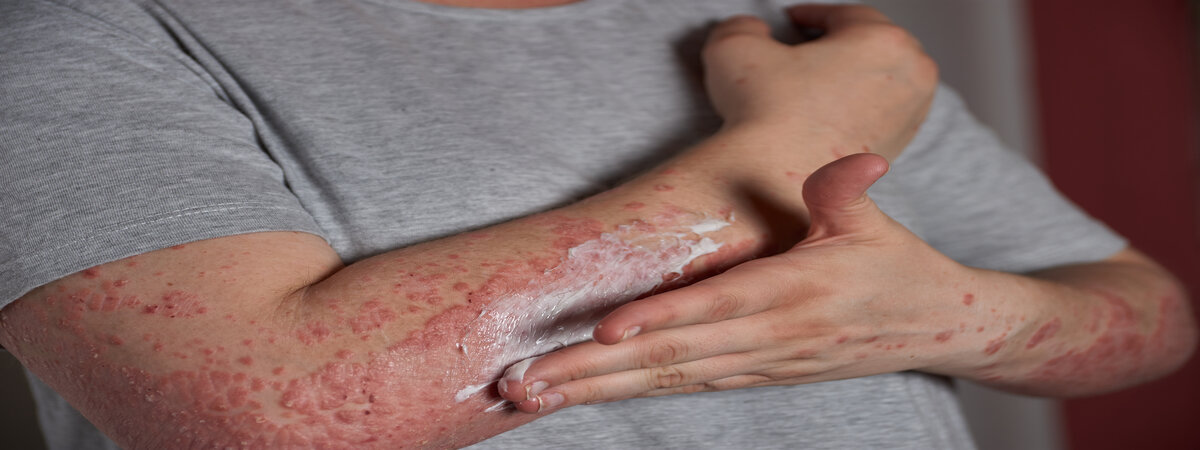
These bacteria are often already living harmlessly on our skin. The trouble starts when they find a way in, usually through a small cut, an insect bite, or a patch of eczema. Once inside, they cause an infection that results in red sores or blisters. You’ll mostly see these on the face (especially around the nose and mouth) or hands, but they can appear anywhere that skin touches skin or clothing.
The Two Main Types
Not all impetigo looks the same. Doctors generally categorize it into two buckets:
1. Non-bullous Impetigo
This is by far the most common version. It starts as tiny red sores that burst quickly. Once they pop, they leave behind a signature honey-colored crust. If you see a rash that looks a bit like cornflakes stuck to the skin, it’s likely this type.
2. Bullous Impetigo
This type is less common and usually affects babies and younger children. Instead of crusty sores, it creates larger, fluid-filled blisters (bullae). These blisters eventually break, leaving behind red, raw skin rather than a crust.
Who Gets It?
You can get impetigo at any age, but it definitely has a “target audience.”
- Young Children: Kids between ages 2 and 5 are the most frequent patients because their immune systems are still developing, and they are constantly in close contact at daycare or school.
- Contact Sports Athletes: Wrestling and football teams often see outbreaks due to skin-to-skin contact.
- Warm Weather: Bacteria love humidity. You’ll see more cases in the summer or in tropical climates.
- Broken Skin: Any existing skin damage, from poison ivy to a scraped knee, is an open door for the bacteria.
Recognizing the Symptoms
You don’t always need a medical degree to suspect impetigo. Keep an eye out for:
- Red sores that evolve into that tell-tale yellowish crust.
- Itching that can be mild or intense (scratching spreads it, unfortunately).
- Sores that weep fluid or pus.
- Swollen glands near the infection site (less common, but it happens).
How It’s Diagnosed
Usually, a look is all it takes. A healthcare professional can typically diagnose impetigo just by examining the sores. If the infection is stubborn or looks unusual, they might take a swab culture to figure out exactly which bacteria are causing the trouble, but that isn’t standard for every case.
Treatment: Getting Rid of It
The goal is to kill the bacteria and stop the itch so the skin can heal.
- Topical Antibiotics: For mild cases with just a few sores, a prescription antibiotic cream or ointment (like mupirocin) is usually the first line of defense.
- Oral Antibiotics: If the rash is widespread or if the topical cream isn’t working, a doctor might prescribe a course of antibiotic pills to fight the infection from the inside.
- Hygiene & Wound Care: Gently washing the crusts with soap and water can help the medication penetrate better. Keeping the area covered with a clean bandage also stops the bacteria from spreading to other people.
- Note on Laundry: While treating the infection, toss towels, sheets, and clothes in the wash on a hot cycle daily. This kills any bacteria hanging out on the fabric.
When to call us: If you are treating the area at home and it gets redder, warmer, or the person develops a fever, our dermatologists recommend seeking medical attention immediately.
Prevention Tips
Since impetigo spreads through contact, a little vigilance goes a long way.
- Hand Washing: It sounds simple, but it’s the most effective tool. Scrub with soap and water often.
- Clip Fingernails: Short nails harbor fewer bacteria and do less damage if a child scratches a bug bite.
- Don’t Share: Towels, razors, and washcloths should be personal items, not community property.
- Quarantine the Infection: If you or your child has it, stay home from school or work until the doctor says you are no longer contagious (usually 24 to 48 hours after starting antibiotics).
Conclusion
Impetigo looks worse than it is. With the right cream and a few days of careful hygiene, it usually clears up without leaving a trace. The key is acting fast so it doesn’t spread to the rest of the family or the classroom. If you are unsure if a rash is impetigo or something else, it is always safer to let a professional take a look. Our dermatologists are available to help you get the right diagnosis and treatment plan.
FAQ
Can adults get impetigo?
Absolutely. While it’s famous for plaguing preschools, adults can catch it from their kids, gym equipment, or just by having an open cut exposed to the bacteria.
How long am I contagious?
You are generally contagious until the sores have completely healed OR until you have been on antibiotics for at least 24 to 48 hours.
Can it come back?
Yes. Getting it once doesn’t make you immune. If you carry the staph bacteria in your nose (which many people do), or if hygiene slips, the infection can recur.
Are supermarket creams enough?
Over-the-counter antibiotic ointments (like Neosporin) are great for preventing infection in cuts, but they are rarely strong enough to cure active impetigo. You usually need prescription-strength treatment.